





Let's Go West: Part VII
Most first-time western hunters spend months thinking about gear, maps, tags, and daydreaming of the species they’re after. Very few spend enough time thinking about what the hunt will demand from their body and mind.
A western deer or elk hunt isn’t just “harder” than what many hunters are used to, it’s different. The terrain, elevation, and sheer scale of the country introduce challenges that can’t be solved with better optics or another piece of gear. If you’re not prepared physically and mentally, the hunt can wear you down faster than you expect.
The Physical Challenge Is More Than Just Being “In Shape.” A common misconception is that Western hunting only requires good cardio. Strength and conditioning run hand in hand, and when you lack in one, it’ll show up on the mountain. A typical Western hunt will demand a few things:
- Long climbs with weight on your back
- Steep descents that punish knees and hips
- Sidehilling on uneven terrain
- Repeated days of effort (sometimes with limited recovery)
Even on a truck-based hunt, you may hike several miles a day while gaining and losing significant elevation. Add altitude, cold weather, rough footing, and even strong hunters can struggle. The mental grind of a physical hunt cannot be stressed enough. You need to be mentally strong, or the mountain will break you.
Altitude is a real factor and one of the most underestimated challenges for first-time Western hunters. Even moderate elevation can:
- Increase fatigue
- Slow recovery
- Impact sleep and hydration
- Make simple hikes feel harder
You can’t fully train for altitude at home, but arriving in good condition makes it far easier to adapt. Hunters who show up already struggling physically often burn through energy and motivation quickly.
Often, it becomes a quick spiral. The hunt is harder than you expected, and fatigue sets in on day two or three. Pretty soon, your decision-making starts to suffer. When you’re tired, you’ll start to make poor decisions. Typically, they look like this:
- You glass less patiently
- You rush stalks
- You avoid climbs you should make (it’s easy to talk yourself out of that 1,000ft. of elevation gain)
- You settle for easy choices instead of smart ones
- Strength under load
- Endurance for mountain terrain
- Durability and injury prevention
- Mental toughness through purposeful training
- Avoid overpacking
- Identify missing essentials
- Understand why certain items matter
- Build a system that fits your hunt style
On a western hunt, small decisions compound quickly. Mental sharpness often separates hunters who stay engaged all week from those who mentally check out after a few hard days.
When you’re sitting at home on the couch, daydreaming of bugling bulls or rutting bucks, everything looks easy. We’re all tougher and more physically prepared when there is no consequence. Don’t get caught off guard by the mental challenges you’ll likely face on your hunt. It’s not uncommon to go days with very few animal sightings or hard hikes with nothing to show for it. Pretty quickly, you start to question your location, strategy, and planning. The mental challenge of western hunting is real…be prepared for the grind!
Success usually comes to those hunters who can be consistent and have confidence in their process. Confidence comes from preparation, both physical and practical. Confidence in the mountains comes from knowing you’ve done the work ahead of time. That includes both physical training and practical planning.
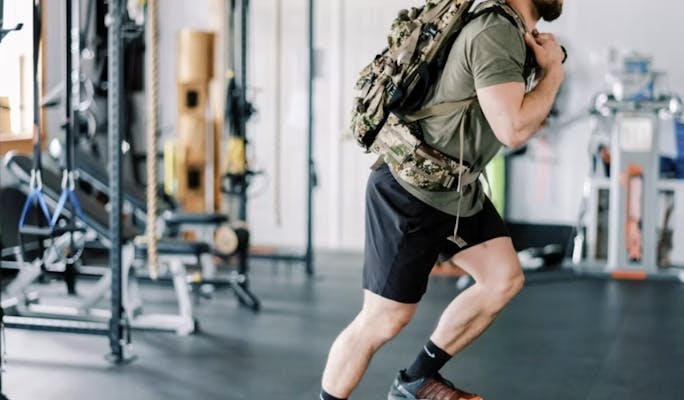
Structured training builds trust in your body. This is where programs like Ridgeline Athlete make a difference. Adrian is full of knowledge, and as a western hunter himself, he knows what is necessary for success. Instead of generic workouts, you’ll focus on:
Preparation doesn’t just help you hike farther; it helps you stay calm and composed when the hunt delivers a gut punch.
At the same time, confidence also comes from knowing your gear system makes sense. Uncertainty about what you packed, or what you forgot, creates unnecessary mental stress in an already demanding environment. Second-guessing your gear is mentally exhausting. Wondering if you brought the right layers, enough food, or the proper equipment pulls focus away from hunting.
RuckList helps remove that uncertainty. By seeing how experienced hunters build and refine their gear lists for specific hunt types, you can:
RuckList provides gear breakdown videos, packing lists for different adventures, articles with industry insights, and podcasts with a variety of guests. Instead of guessing, make informed decisions based on real-world experience.